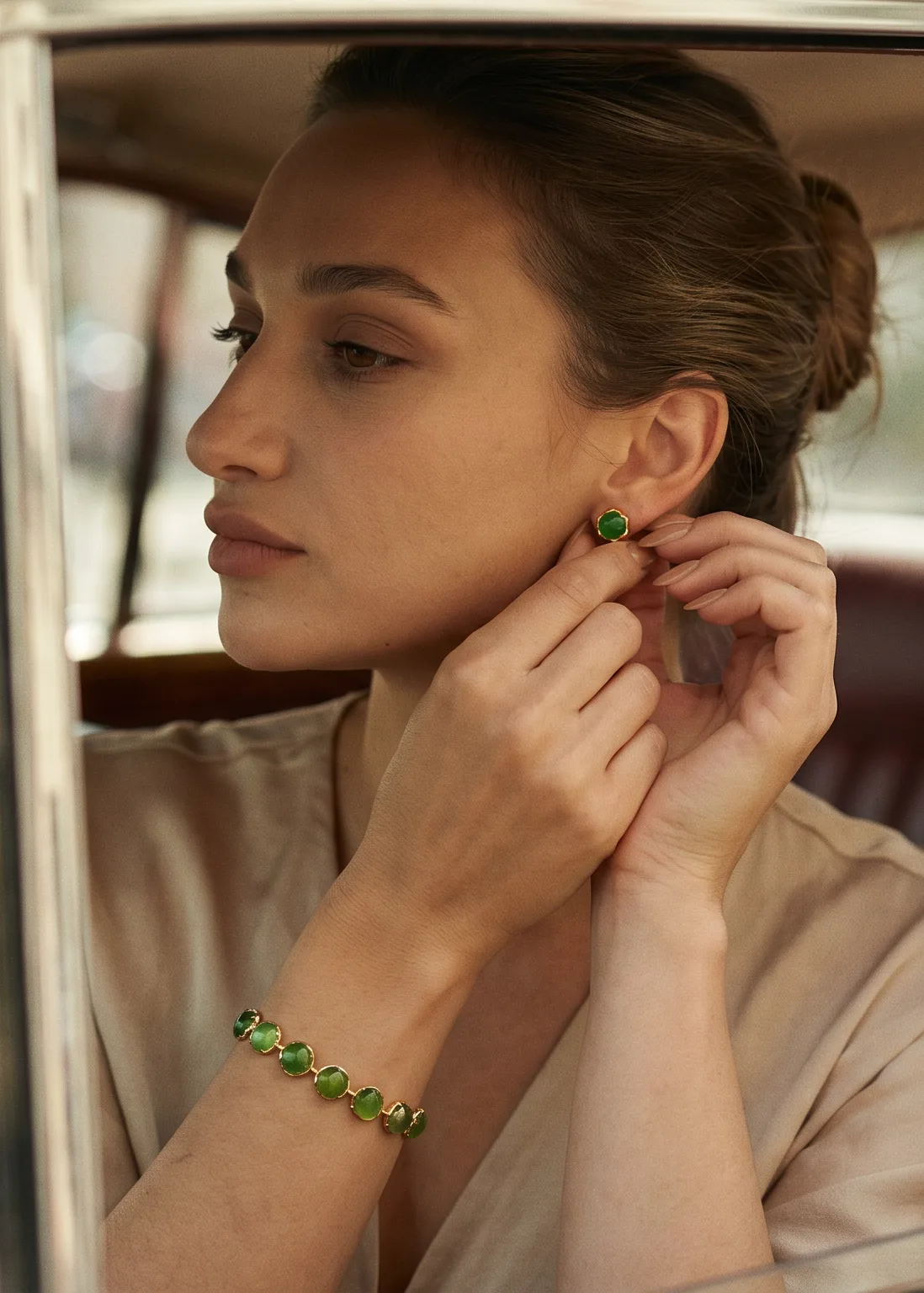
Choose Gold Plated
You want warmth now, enjoy rotating pieces, and do not need every purchase to become permanent.


Jewelry Materials, Clearly
The best material is not simply the one that looks newest for longest. It is the one whose changes you understand—and still want to live with.
The Short Answer
If your priority is keeping a gold-colored surface, vermeil usually has an advantage over ordinary gold plating because the U.S. definition requires a sterling silver base and a gold layer at least 2.5 microns thick. There is no universal “lasts X years” promise.
If your priority is the longest maintainable material, plain 925 sterling silver is the most forgiving of the three. It has no gold layer to rub away and can often be cleaned, polished, repaired, or professionally refinished.
Ordinary gold plating gives you warmth now, often at a more accessible entry point. Its beauty is real; it is simply a surface beauty that asks for gentler wear.
Gold Plated
Gold-plated jewelry is made by applying a layer of gold over another metal. The FTC notes that plating eventually wears away; how quickly depends on thickness and how the piece is worn.
That does not make gold plating a bad choice. Sometimes a piece belongs to a particular season: a new job, a trip, a dinner where you want warmth at the wrist, a gift that says “I saw this and thought of you.” It does not need to become an heirloom to have mattered.
Choose gold plating when you love the look, understand that the surface will evolve, and are willing to remove it before water, workouts, perfume, and sleep. The softer you wear it, the longer its first glow can stay with you.
Vermeil
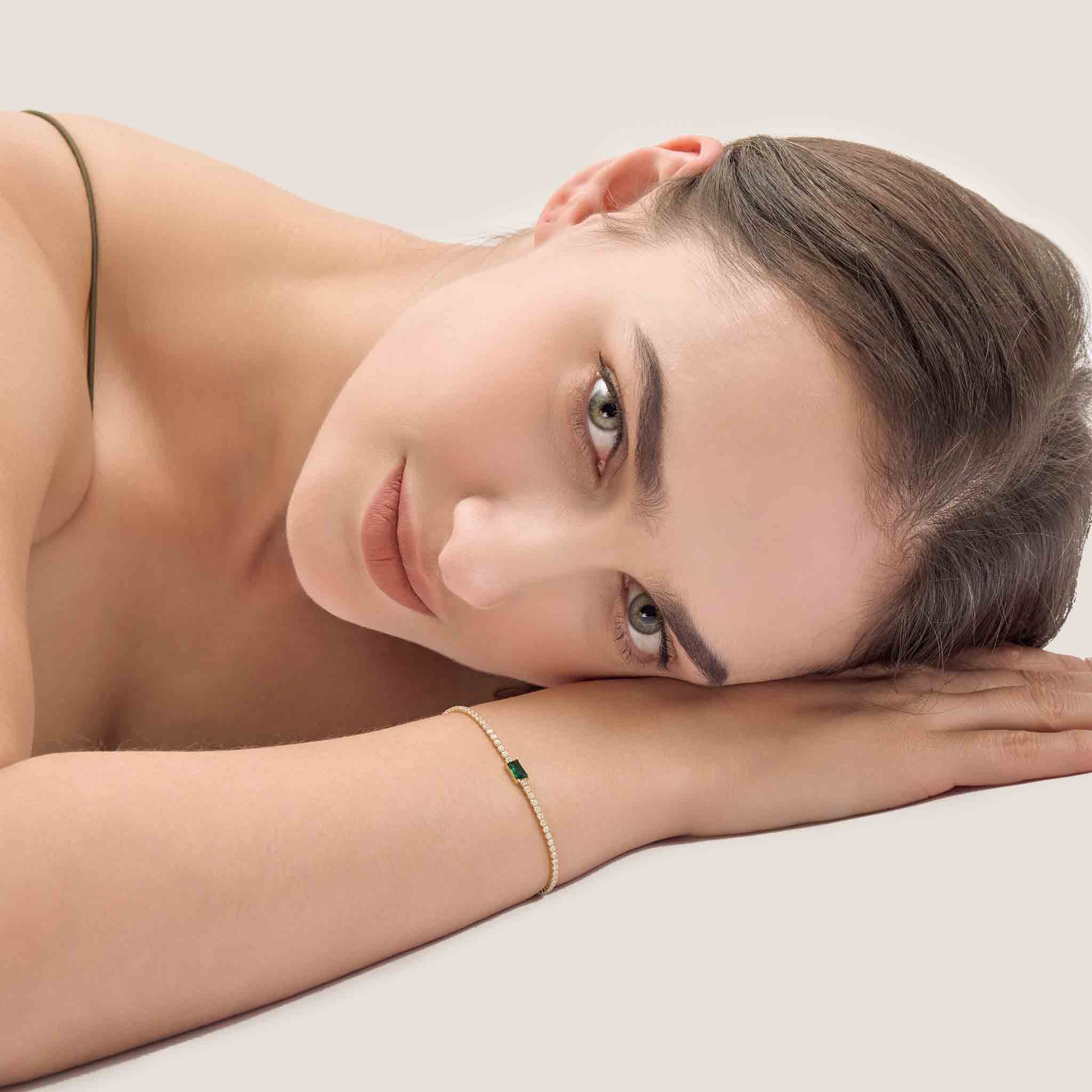
In the United States, vermeil is not simply a poetic word for gold-colored jewelry. Federal guidance defines it as sterling silver coated with gold or gold alloy of at least 10 karats and at least 2.5 microns thick.
That thicker layer is why vermeil generally has the edge when the question is, “Which gold surface lasts longer?” Yet the word alone is not enough. Ask for the gold karat, plating thickness, and base metal.
Vermeil suits the person who wants warmth but also cares about what remains underneath. Even after the gold softens with wear, the foundation is still sterling silver—not an anonymous base metal.
925 Sterling Silver
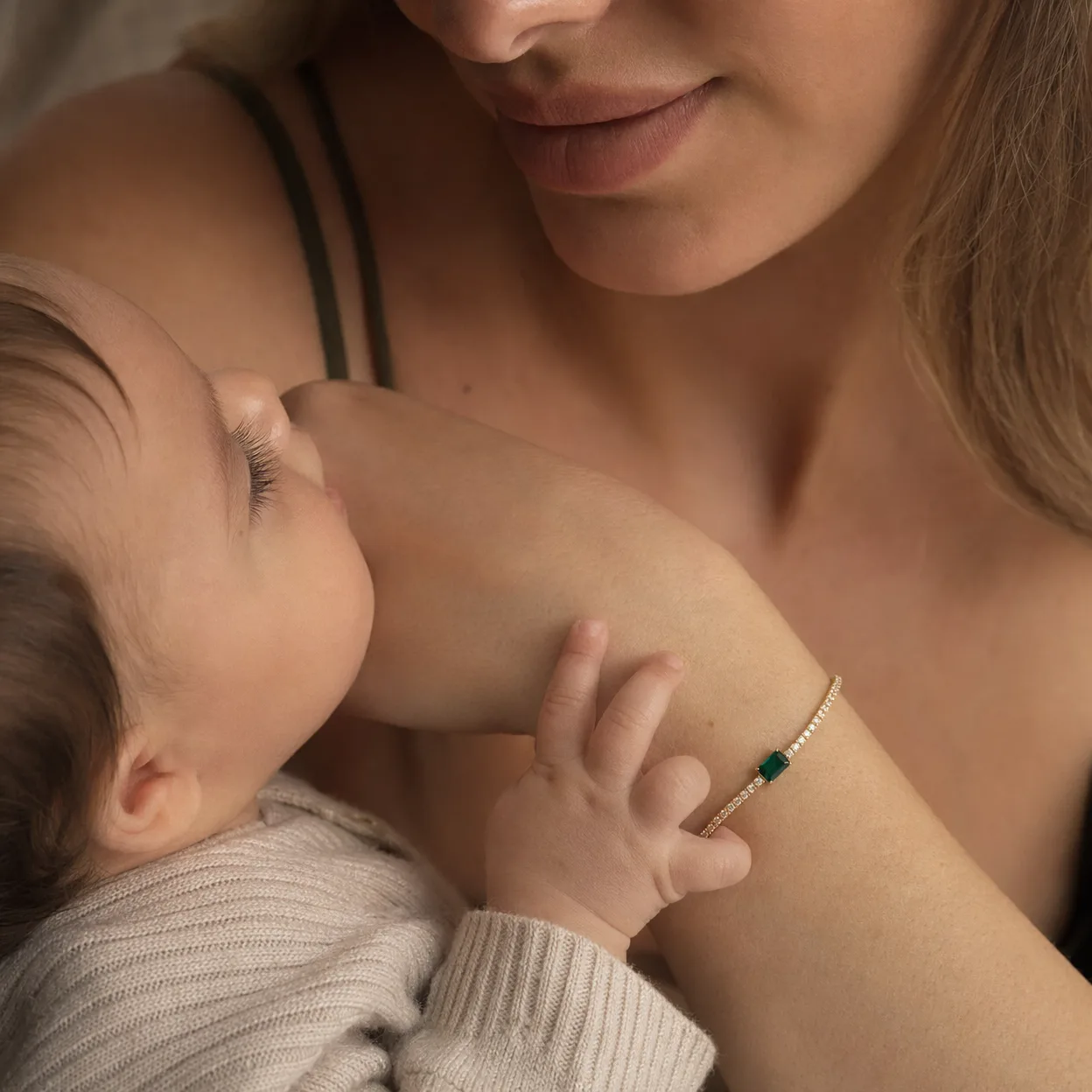
Sterling silver contains at least 92.5% pure silver. It can darken when it reacts with sulfur-containing substances in the environment, but tarnish is not the same as a coating wearing away.
That difference matters. Plain silver can often be cleaned, polished, repaired, resized, or professionally refinished. It may not stay frozen in its first-day brightness, but it can keep returning to light.
There is emotional value in that kind of material. A silver piece can hold the marks of daily life without becoming disposable—the bracelet before a difficult meeting, the pendant resting close when you need steadiness, the gift whose meaning becomes clearer after years because it stayed with you.
What Changes the Outcome
Material labels are only the beginning. Longevity also depends on how the piece meets your skin, your routine, and the world around it.
A simple rule: make jewelry the last thing you put on and the first thing you take off. Store pieces dry and separately. Clean only with methods suited to both the metal and the gemstone.
The most lasting choice is not always the one that changes least. Sometimes it is the one whose changes you are willing to care for.
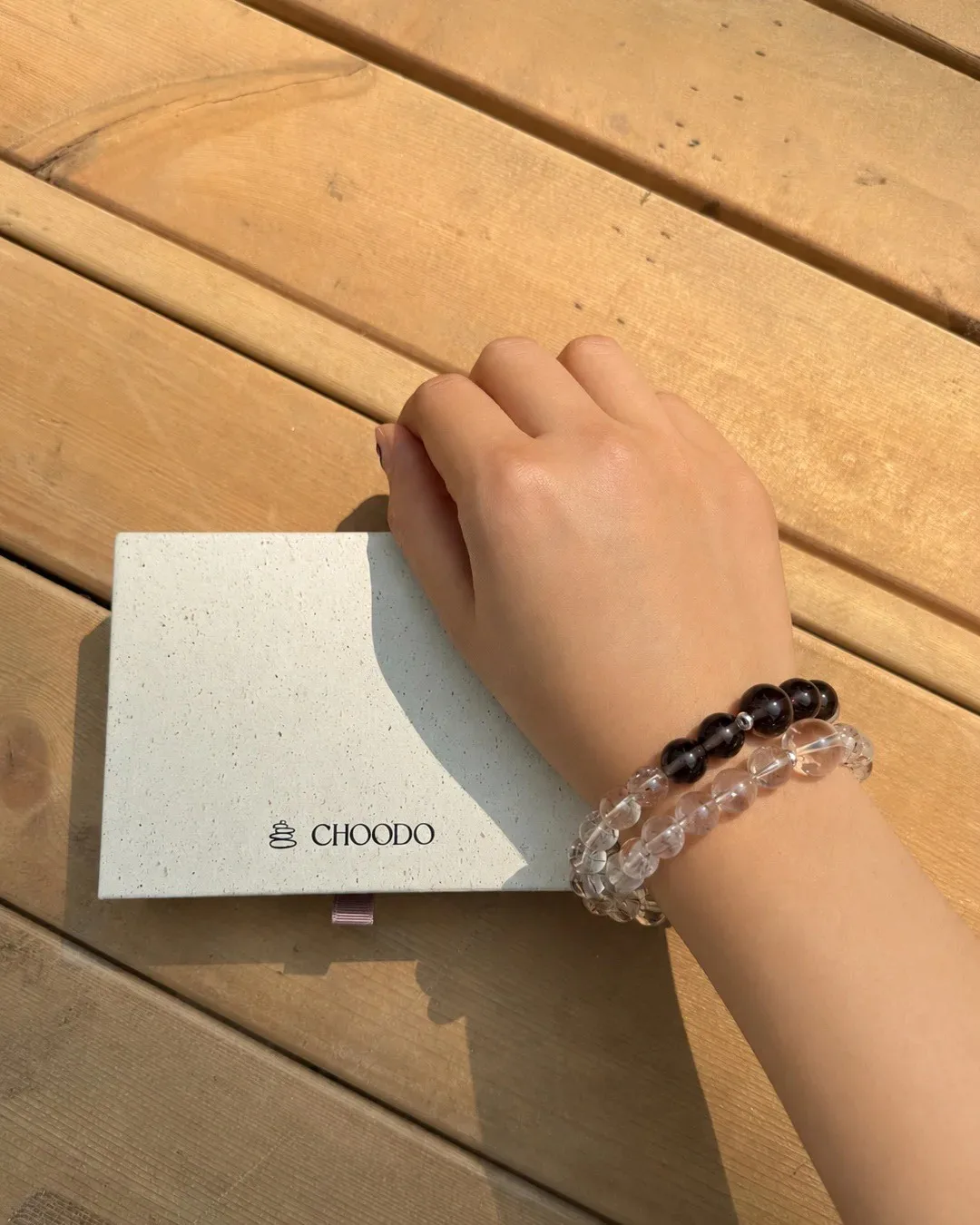
You want warmth now, enjoy rotating pieces, and do not need every purchase to become permanent.
You want a gold look, value a sterling silver foundation, and can verify the gold thickness and fineness.
You prefer material that can be restored, repaired, and allowed to develop a life of its own.
Carry It Forward
Three pieces, three relationships with material: silver that can return to light, protection worn close, and a gold surface chosen for a chapter of growth.
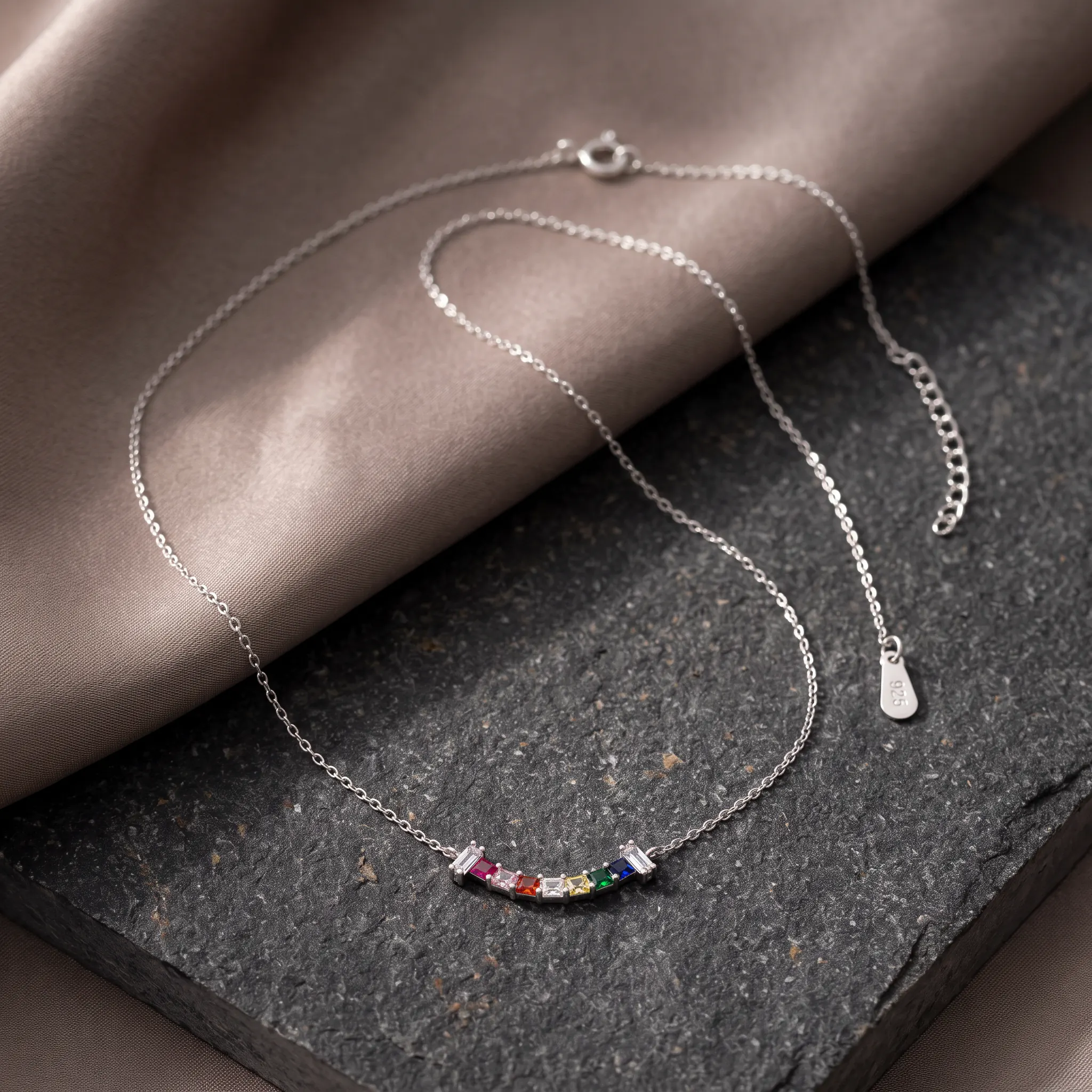
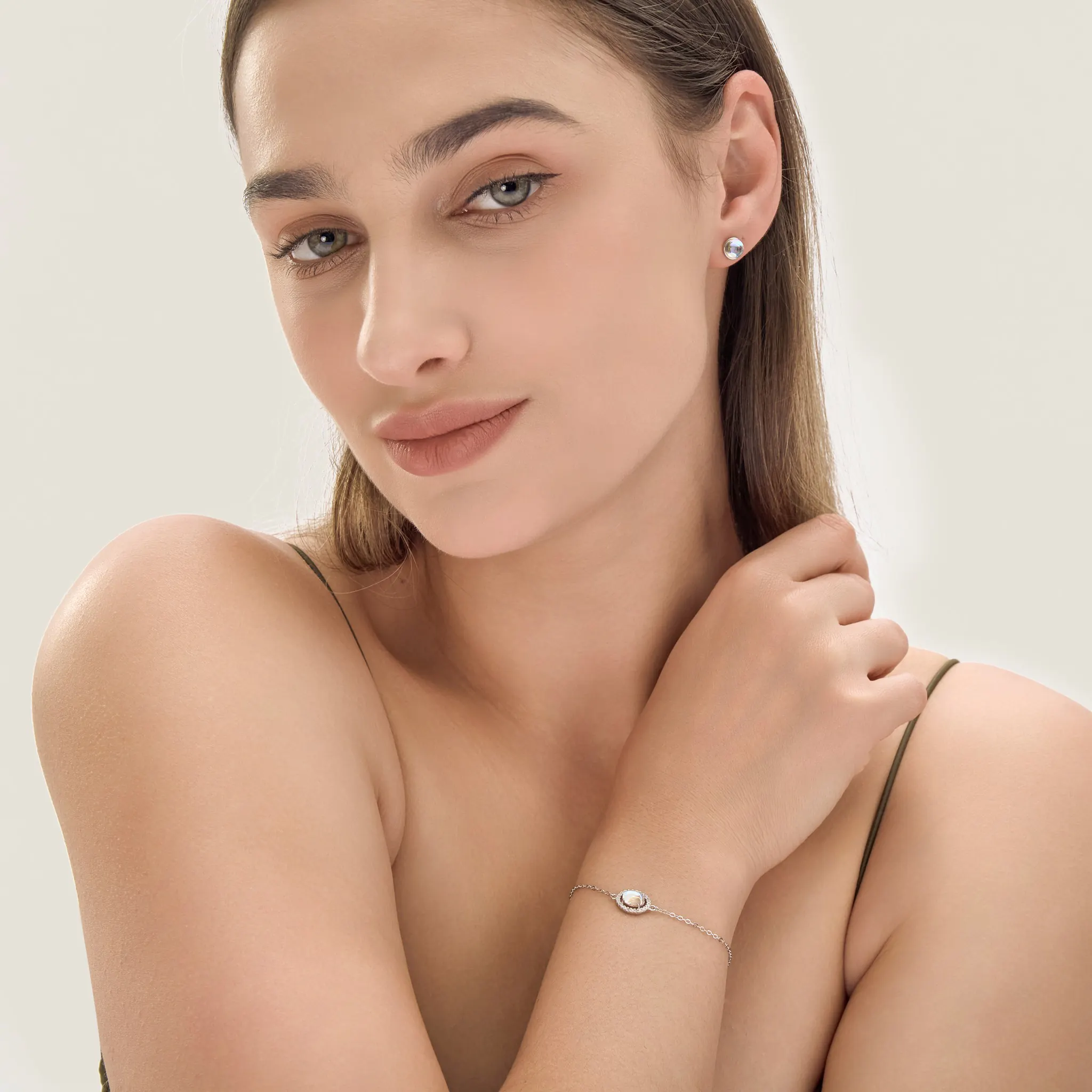
925 Silver · Rainbow Zircon
Best for: the person remembering that her light is already her own
A rainbow zircon set in a 925 sterling silver frame. The silver can be cared for and brought back to light; the meaning remains entirely hers.
View Piece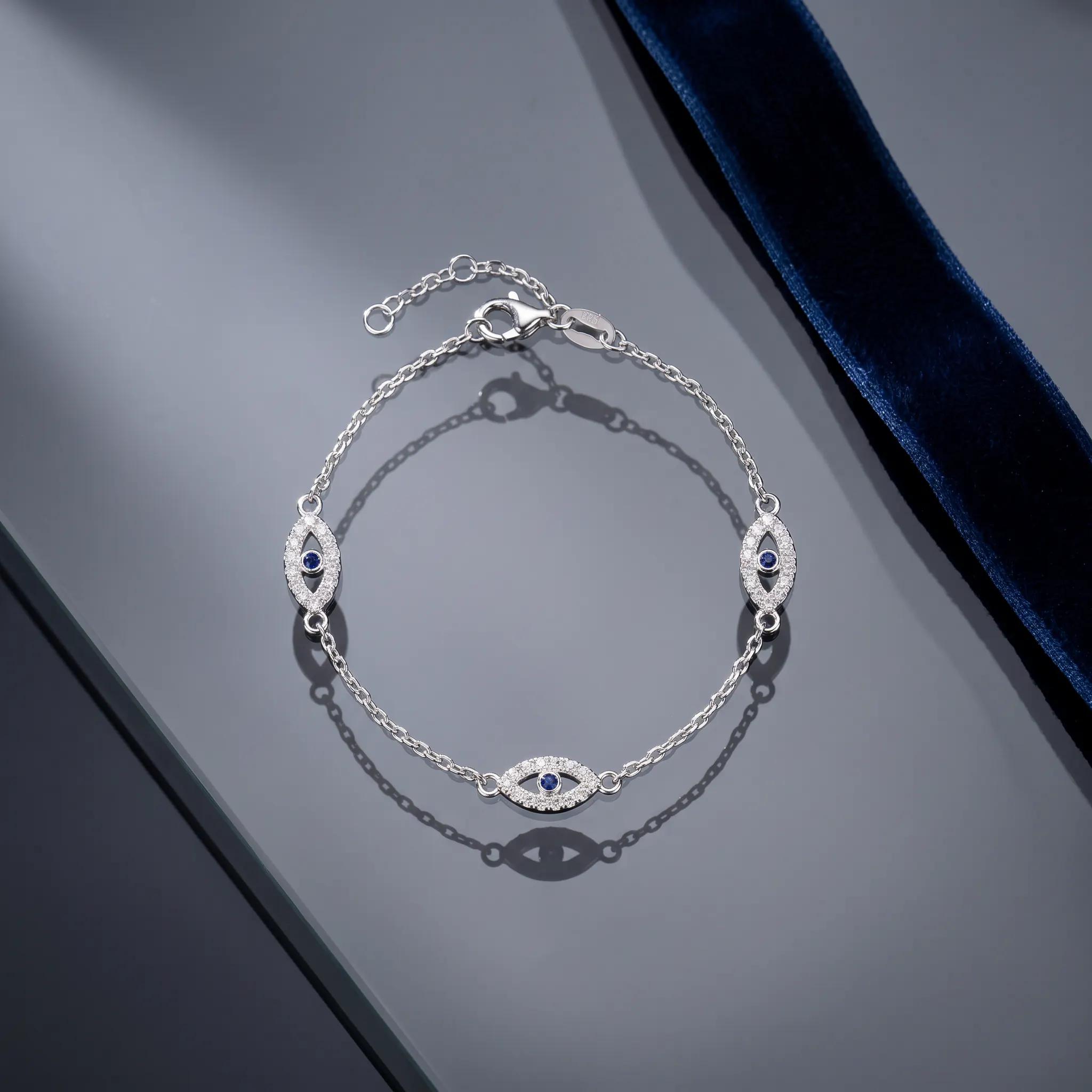
925 Sterling Silver
Best for: a quiet daily ritual of protection
A delicate 925 sterling silver chain shaped around an ancient protective motif—close to the skin and easy to imagine becoming part of everyday life.
View Piece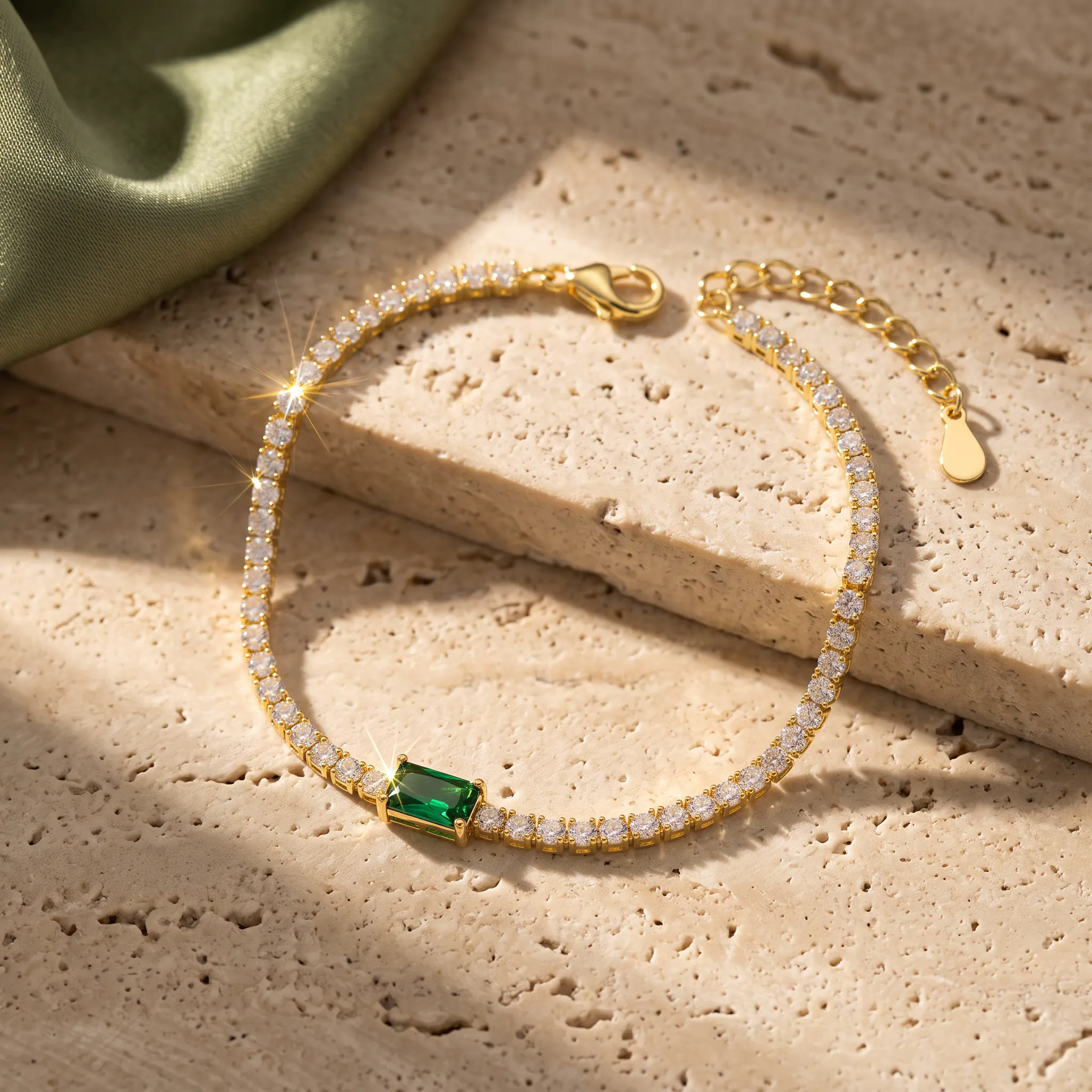
Gold-Plated 925 Silver · Green Zircon
Best for: marking a new chapter with warmth and quiet growth
CHOODO describes a gold-plated chain with green zircon; plating thickness is not published, so this piece is not presented as vermeil. Wear gently to preserve its gold surface.
View PieceThe Future of the Piece
Jewelry does not have to remain untouched to remain meaningful. CHOODO creates jewelry as a supporting character—not the source of your light, but something that helps you notice it. Choose the material whose future you understand. Then wear it into the life you are already becoming.
Shop AtelierGood to Know
Vermeil is usually the stronger choice when you want a longer-wearing gold surface and a sterling silver base. In the U.S., the term requires at least 10K gold and a minimum 2.5-micron layer. Ordinary gold plating may be thinner and may use a non-precious base metal. Actual wear still depends on friction, moisture, chemicals, and care.
No. Vermeil is still a plated finish. Its thicker gold layer may outlast ordinary plating under similar conditions, but it can gradually thin in high-contact areas. Replating may eventually be needed.
They answer different needs. Vermeil may keep a gold color longer than ordinary plating, while plain 925 silver has no gold layer to lose and can often be polished or refinished. For long-term maintainability, plain sterling silver is usually the more forgiving material.
Not automatically. In the U.S., the seller must also verify the gold fineness and a minimum 2.5-micron thickness. Market rules differ, so always check the product specification and local terminology.
Plain 925 sterling silver is often the simplest everyday option because tarnish can usually be cleaned and there is no gold layer to rub away. Vermeil can also work for regular wear when treated gently. Ordinary gold plating is best protected from frequent friction, moisture, and chemicals.
Editorial Sources
Durability guidance is comparative, not a fixed lifespan guarantee. Plating thickness, friction, moisture, chemicals, storage, and local labeling rules all affect the outcome.